Wills & Trusts
Updating an estate plan and when to do it
Documents drafted once and filed become inaccurate quietly, and the discovery generally comes at the worst point.
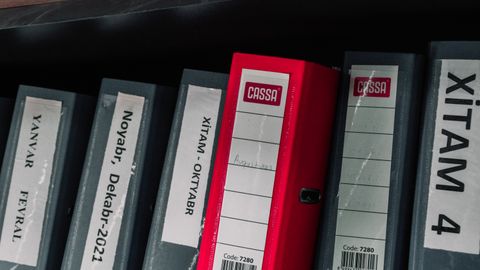
An estate plan is a description of circumstances at a moment in time. Circumstances change, and the documents do not update themselves.
The triggers
Marriage. In many states this affects an existing will, sometimes giving a new spouse statutory rights regardless of the document.
Divorce. Which may revoke provisions in favour of a former spouse in some states, with the important exception discussed elsewhere on this site regarding certain retirement plans.
Birth or adoption of a child or grandchild. Particularly important where the document names individuals rather than classes.
A will leaving assets to named children does not include a child born afterwards, unless drafted to cover that.
Death of a beneficiary, executor, trustee or guardian.
A significant change in assets, in either direction. Specific bequests can become disproportionate, and provisions drafted for a modest estate may not suit a substantial one.
Moving to another state. Which is one of the most under-appreciated triggers.
Estate, probate, marital property and tax rules differ substantially, and a plan drafted for one state may work poorly in another.
A change in the law, including the significant changes to inherited retirement account rules in recent years, which made many existing trust arrangements obsolete.
A beneficiary's circumstances changing — disability, addiction, marital difficulty, creditor problems, or receipt of means-tested benefits.
Acquiring property in another state, which may create the need for ancillary probate and may argue for a trust.
Starting or selling a business.
How often absent a trigger
Every three to five years is a commonly suggested interval.
Most reviews conclude that nothing needs changing, and take a short time.
The value is in catching the changes that occurred without anyone registering them as significant.
How changes are made
A codicil amends a will and must be executed with the same formalities.
Codicils were common when documents were typed. Now that redrafting is straightforward, a new will is generally preferable — multiple codicils create ambiguity and invite dispute.
A restatement of a revocable trust replaces the terms entirely while keeping the same trust in existence, which means assets already titled in the trust's name do not need retitling.
This is a significant practical advantage over creating a new trust.
Beneficiary designation changes are made directly with the institution, and are the most frequently needed and least often made.
Do not write on the documents. Handwritten alterations to an executed will can invalidate provisions or the whole document, depending on the state.
The review checklist
What to actually look at.
Is everyone named still alive, willing and appropriate?
Do the beneficiaries and proportions still reflect your intentions?
Are the beneficiary designations on every account consistent with the plan?
If there is a trust, have all intended assets actually been transferred into it?
Are the powers of attorney current, and would institutions accept them?
Does anything reflect a state you no longer live in?
Do the documents deal with digital assets?
Is the master document listing accounts and locations up to date?
The funding check
Worth its own mention because it is the most common failure.
A trust controls only what has been transferred into it.
Assets acquired after the trust was created — a new account, a refinanced property, an inherited asset — are frequently never retitled.
Checking the title of every significant asset against the plan, at each review, catches this.
Where the documents are
A related practical matter.
The original will should be somewhere accessible and known. A safe deposit box can present access difficulties after death depending on titling and state law.
Many attorneys will hold originals, and some states permit deposit with the probate court.
The executor and family should know where they are, and should have copies.
A will that cannot be found is generally treated as revoked in many states, which is a serious consequence of poor storage.
General information only, not legal advice. Requirements for amendment and storage vary by state — consult a qualified estate attorney.
Also by Victor Nunes
- Common estate planning mythsFamily & Disputes
- Sibling relationships after a parent diesFamily & Disputes
- When an executor gets it wrongProbate
- Mediation for estate disputesFamily & Disputes